Roulette Culture
Exploring the history and cultural significance of roulette in casinos worldwide.
The Origins of Roulette
Roulette traces its roots to 18th-century France, where the spinning wheel emerged as a blend of earlier games and mathematical curiosity. The name itself means "little wheel" in French, and the game quickly spread from Parisian salons to casinos across Europe.
By the mid-19th century, roulette had become a fixture in Monte Carlo and other European gambling destinations. The single-zero wheel, introduced by François and Louis Blanc, gave the house a smaller edge and helped cement roulette's reputation as a refined casino game.
When roulette crossed the Atlantic, American casinos added a double-zero pocket, creating a distinct variant that remains popular in the United States and beyond. Both versions continue to thrive in land-based and online casinos today.
Roulette in Popular Culture
Few casino games carry the same mystique as roulette. Its iconic wheel has appeared in countless films, novels, and television shows, often symbolizing risk, fate, and the glamour of high-stakes gambling.
Film & Television
From classic James Bond scenes to modern dramas, roulette tables serve as backdrops for tension, sophistication, and pivotal character moments. The spinning wheel naturally lends itself to cinematic suspense.
Literature & Art
Writers and artists have long been drawn to roulette as a metaphor for chance and destiny. Dostoevsky's works, among others, explore the psychological pull of the wheel and the gambler's mindset.
Global Casino Floors
From Macau to Las Vegas, roulette remains a centerpiece attraction. Its blend of simplicity and drama draws both seasoned players and curious newcomers, making it one of the most recognizable games in any casino.
Rituals and Traditions
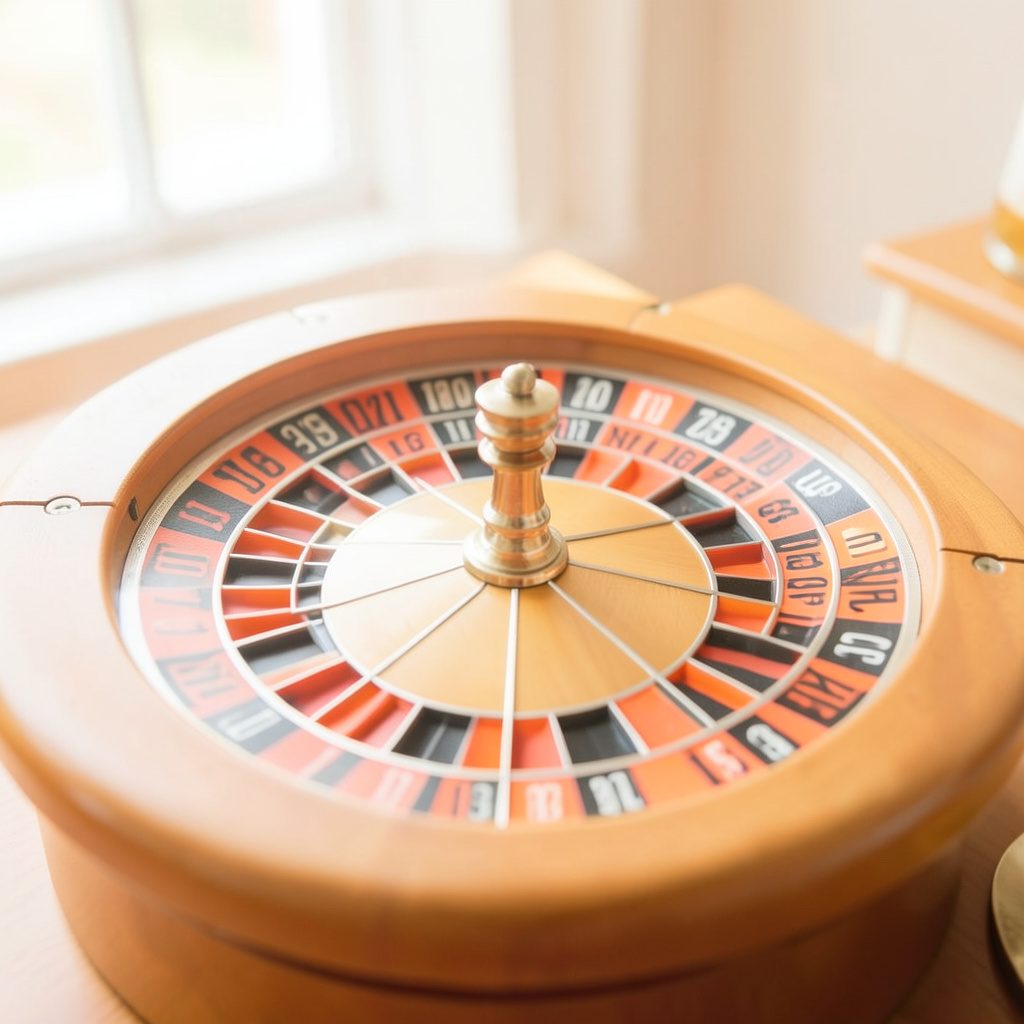
Around the world, roulette has developed its own set of rituals. Players often have lucky numbers, preferred seats, or personal superstitions they follow at the table. Croupiers follow precise, practiced motions when spinning the wheel and releasing the ball — a choreography refined over centuries.
In many European casinos, the atmosphere around the roulette table is notably quieter and more formal than at other games, reflecting the game's aristocratic heritage. Even online, the visual language of roulette — the numbered wheel, the colored chips, the felt layout — carries these cultural associations forward.
Learn More About Roulette
Discover the fundamentals or get practical guidance on playing the game.
Roulette Basics How to Play